
Sharps Technology, a publicly listed medical device firm with a large SOL treasury, hired Coinbase to launch and operate its own Solana validator. SOL traded around $145, up roughly 2% on the day, as staking-related news added to a steady institutional bid. The move fits a wider trend where companies stop just holding crypto and start running the pipes that keep blockchains running.
DISCOVER: Top Ethereum Meme Coins to Buy in 2026
What Is a Solana Validator—and Why Should You Care?
A validator is a computer that checks transactions and helps keep Solana honest. Think of it like a notary for the blockchain. Validators earn rewards in SOL for doing this work, which is why staking exists.
Sharps already holds about 2 million SOL. Instead of letting that SOL sit idle, the company now delegates part of it to a Coinbase‑run validator. This shifts Sharps from a passive holder to an active network participant.
Sharps Technology & Coinbase Partnership -:
Sharps Technology has officially partnered with Coinbase to operate an in house Solana validator. This strategic move transitions the firm from a passive investor to an active participant in the blockchain infrastructure.
Holding a… pic.twitter.com/S1TOIdJTTO
— Cryptosem (@sem101031) January 12, 2026
For everyday investors, this matters because validator quality affects uptime, speed, and security. Better validators mean fewer outages and a smoother experience when you send SOL or use apps on the Solana network.
DISCOVER: Top Ethereum Meme Coins to Buy in 2026
Institutional Validators Are Becoming the New Normal
Sharps is not alone. Large treasury holders increasingly treat validators like cash‑flow machines. Validators earn steady rewards, which makes these companies look less like crypto speculators and more like infrastructure businesses.
Coinbase plays a big role here. The exchange now validates close to 10% of all staked SOL and runs servers across the U.S., Europe, and Asia. According to its latest validator report, Coinbase moved to high‑performance bare‑metal servers to reduce downtime.
Other firms are pushing even harder. Forward Industries delegated its entire 6.8 million SOL stack—about $1.5 billion at recent prices—to its own validator, ranking it among Solana’s top operators. This signals long‑term confidence, not quick trading.
(Source: Solana top 10 validators / SolanaBeach)
How Could This Affect SOL Holders?
For retail stakers, stronger institutional validators can improve reliability. Solana’s validator count has fallen sharply since 2023 as weaker operators shut down. The network now favors performance over quantity.
That shift cuts both ways. Fewer validators raise decentralization concerns, but higher standards reduce outages. If you stake SOL through Coinbase or a wallet, your rewards and experience depend on this balance.
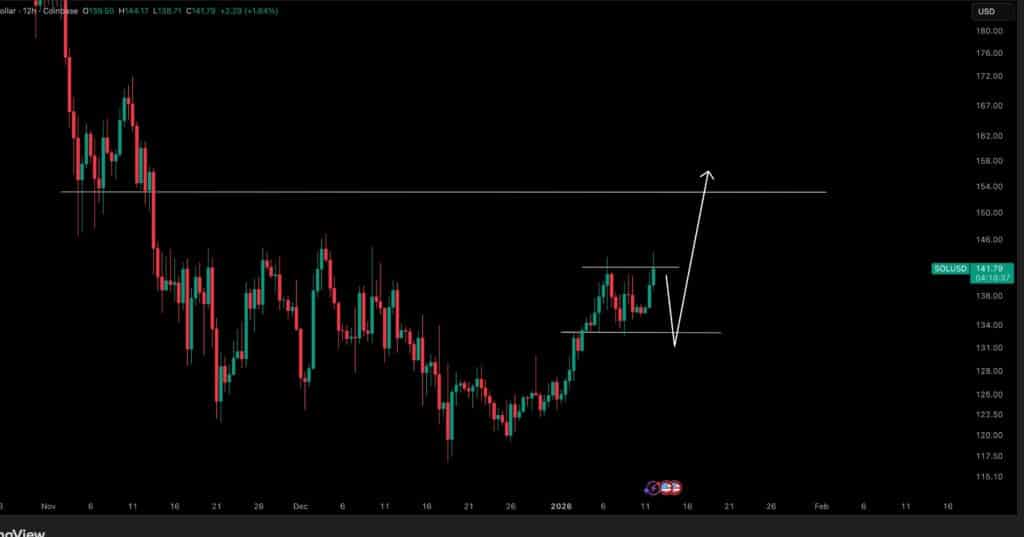
(Source: Solana Potential Setup / TradingView)
Risk Check: This Is Not Free Money
Running validators does not remove risk. SOL price swings still matter more than staking yield. A 7% annual reward does not help if SOL drops 30%.
There is also a concentration risk. When large players control big chunks of stake, governance power narrows. Beginners should avoid chasing yield and remember that staking locks funds for periods of time.
For now, Sharps teaming up with Coinbase shows where Solana is heading. Less hype. More infrastructure. If this trend holds, SOL holders will care less about memes and more about who keeps the network running.
DISCOVER: Top Solana Meme Coins to Buy in 2026
Follow 99Bitcoins on X For the Latest Market Updates and Subscribe on YouTube For Daily Expert Market Analysis
The post Sharps Taps Coinbase Validator—Why Solana Staking Is Shifting appeared first on 99Bitcoins.
#Sharps #Taps #Coinbase #ValidatorWhy #Solana #Staking #Shifting
#Sharps #Taps #Coinbase #ValidatorWhy #Solana #Staking #Shifting
